Sinco Special Metals Provide services in the following areas for customers:

Aerospace and Aviation

Click to view details

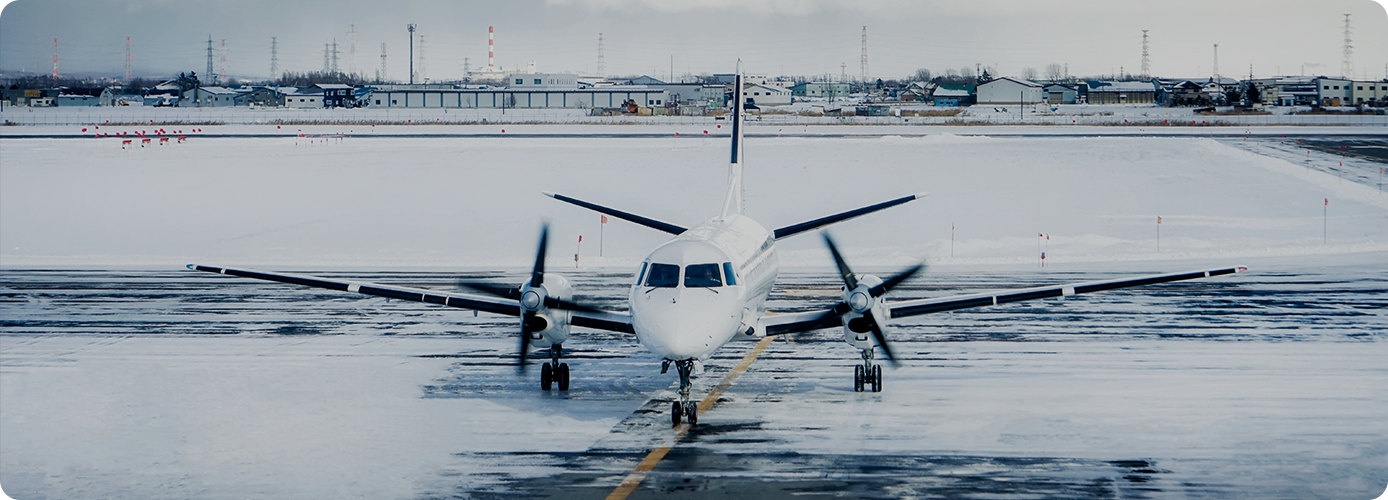
High-performance high-temperature alloys and titanium alloys, suitable for all scenarios including aircraft engines, landing gear, core structural components, and metal additive manufacturing, are the core guarantees for achieving lightweighting of aircraft and long service life of thermal components - the choice of materials in the aerospace field directly determines the thrust-to-weight ratio, extreme condition adaptability and operation and maintenance costs of the equipment.


Inconel  718(UNS  N07718)as the most widely used precipitation-hardening type nickel-based high-temperature alloy for aerospace applications, has the highest yield strength among deformation high-temperature alloys below 650℃. It is the preferred material for the core components of the hot end of aircraft engines, including turbine discs, compressor discs, shafts, blades, combustion chamber casings, and high-temperature fasteners, etc. Under the SLM additive manufacturing process, it can achieve complete densification of the microstructure, directly meeting the integrated forming requirements of complex aerospace and aerospace structural components.


Ti-6Al-4V/TC4(UNS R56400)

The most widely used α+β type duplex titanium alloy is the "mainstay" of medium-temperature structural components in the aerospace field. It possesses excellent corrosion resistance, high heat resistance, and extremely high specific strength - its density is only 4.43g/cm³, yet its tensile strength at room temperature is ≥900MPa, yield strength ≥860MPa, and the strength retention rate remains over 80% below 400℃. This characteristic can directly reduce the weight of aircraft structures while meeting the requirements of lightweighting and core load-bearing. It is commonly used in aircraft landing gear links, engine cold end compressor fan blades, aircraft components, and biomedical implants.
未标题-5.png

Petroleum and Chemical Industry

Click to view details

Inconel, Hastelloy and Monel series alloys are specially designed for oil and gas drilling and production, refining equipment and high-pressure corrosive conditions. They can withstand high temperatures, high pressures and extreme corrosion simultaneously, and can cope with harsh environments that ordinary stainless steel and carbon steel cannot handle.


Inconel   625(UNS N06625)

Nickel-chromium-molybdenum solid solution strengthened alloy, without aluminum and titanium, not relying on precipitation hardening, maintains stable mechanical properties within the temperature range of -200℃ to 980℃, and has excellent resistance to chloride stress corrosion cracking (CI-SCC). It also has excellent resistance to pitting and crevice corrosion. It is widely used in downhole equipment for oil and gas, acid-containing oil and gas transportation lines, as well as scrubbers and heat exchangers in FGD (flue gas desulfurization) systems, which are components of highly corrosive equipment.


Incoloy 925(UNS N09925)

For the "three-poison-entire" environment design that contains H₂S, CO₂ and high-concentration chloride ions simultaneously, the chromium (19.5-23.5%) in the composition can form a dense passivation film, resisting oxidation and uniform corrosion; molybdenum (2.5-3.5%) enhances the resistance to pitting and crevice corrosion; copper (1.5-3.0%) can effectively inhibit hydrogen permeation in the H₂S environment, thereby avoiding hydrogen embrittlement and SSC cracking. It is one of the few oil and gas-specific alloys that can simultaneously handle high loads and strong corrosion.


Monel K-500(UNS N05500)

Its composition is based on high nickel (63-70%), supplemented with appropriate amounts of copper, aluminum and titanium: high nickel and copper are key to resisting corrosion, while aluminum and titanium enhance strength by precipitating strengthening phases. Monel K-500 has an annual corrosion rate of less than 0.025mm/year in seawater flowing at a speed of 3m/s, and can still meet the SSC test requirements of NACE MR0175 in an environment with H₂S concentration >1000ppm. This characteristic makes it an ideal material for downhole tools in acidic oil and gas wells.


Hastelloy C-276(UNS N10276)

As a classic grade of Hastelloy alloy, it has accumulated abundant engineering verification data in harsh environments. It exhibits excellent corrosion resistance in most oxidizing-reducing atmospheres, particularly in humid chlorine, hypochlorite, chloride solutions, and low-temperature hydrochloric acid. The tensile strength at room temperature is approximately 790 MPa, and it has good resistance to pitting, crevice corrosion, and stress corrosion cracking. It is widely used in fields such as chemical engineering, petrochemicals, flue gas desulfurization, and electronic equipment.


未标题-5.png

Industrial manufacturing

Click to view details

Special stainless steel, with its unique properties, is applied in industrial manufacturing scenarios such as high-temperature pressure-bearing, strong corrosive medium transportation, and high-strength structural components, providing a key material selection guarantee for ensuring the long-term safe operation of equipment and optimizing the full life cycle cost.


316Ti(UNS  S31635/1.4571)

Titanium-stabilized austenitic stainless steel, through titanium's preferential combination with carbon to form TiC, effectively inhibits chromium depletion at grain boundaries and significantly enhances intergranular corrosion resistance. The addition of molybdenum element enhances resistance to pitting and crevice corrosion. The working temperature range can reach from -196 ℃ to 800 ℃. It is widely used in high-temperature environments, chemical reaction vessels, heat exchangers, nuclear power loop systems, etc., especially suitable for high-temperature acid transportation pipelines that require on-site welding. No additional post-weld heat treatment is needed, which greatly simplifies the construction process and reduces the risk of corrosion and leakage in the later stage.


316 Condition B(UNS S31600)

It is a type of stainless steel that achieves high-strength mechanical properties through cold working hardening. It retains the excellent corrosion resistance of the 316 series while increasing the yield strength to over 655 MPa, significantly enhancing its resistance to deformation. Its mechanical properties fully comply with the ASTM A193 B8M Class 2 standard. It is widely used in high-temperature and high-pressure bolts, corrosion-resistant pump shafts, valve rods, high-strength connection components for pharmaceutical equipment, as well as corrosion-resistant structural components that require on-site assembly and cannot undergo post-weld heat treatment.


S20910/Nitronic  50/XM-19(UNS  S20910)

Nitrogen-strengthened austenitic stainless steel has its core advantage in the balance between high strength and corrosion resistance. The room temperature yield strength is approximately twice that of 316L, and in the hardened state, it can reach up to 690-900 MPa. With a corrosion resistance equivalent (PREN) of over 35, it exhibits excellent pitting corrosion resistance and crevice corrosion resistance in chloride ion-containing and acidic media, while also having good resistance to sulfide stress corrosion cracking (SCC). What is particularly unique is that even after severe cold deformation or in low-temperature environments, it can maintain a low magnetic property with a magnetic permeability of less than 1.02. Therefore, S20910 is widely used in marine engineering (such as seawater pump shafts, propeller shafts), petroleum and natural gas (such as downhole tools, packers), high-end chemical (such as mixing shafts, valve stems), as well as in nuclear power and special industries where magnetic non-conductivity has strict requirements.


17-4PH(UNS S17400)

17-4PH is the most commonly used precipitation-hardened martensitic stainless steel. Its characteristic is that the mechanical properties can be customized by adjusting the aging treatment temperature. From a low-carbon martensitic matrix (solution state) to different strength grades: the H900 state (aged at 480°C) can reach a tensile strength of 1310 MPa; the H1150 state (aged at 620°C) has a tensile strength of 930 MPa, and the elongation rate can be increased to 16%, which can meet the diverse requirements from high-strength fasteners to ductile structural components.


未标题-3.png

Electronic healthcare

Click to view details

The demand for clean environments in the electronics industry and the need for strong corrosion resistance in biopharmaceuticals have made materials capable of simultaneously meeting the extremely strict requirements of ultra-cleanliness, extreme corrosion resistance, and biocompatibility.


316UHP(SEMI F20)

Ultra-low carbon austenitic ultra-pure stainless steel, with ultra-low carbon content (C ≤ 0.03%) and extreme metallurgical cleanliness as its core. It adopts VIM+VAR, AOD+VAR or equivalent multiple melting refining processes to strictly control the impurity and gas content within the UHP standard range. The low-carbon design fundamentally inhibits intergranular corrosion tendencies. The synergistic effect of molybdenum (2.00-3.00%) and chromium (16.0-18.0%) forms a stable and dense chromium-rich passivation film on the surface, significantly enhancing the resistance to pitting and crevice corrosion, while maintaining excellent weldability and cold working properties. The material strictly complies with the strict cleanliness and composition requirements of the SEMI F20 standard. After electrolytic polishing (EP) treatment, the internal surface roughness can reach Ra ≤ 0.25 μm (10 μin), and the higher quality grade can reach Ra ≤ 0.13 μm (5 μin), effectively reducing particle adsorption and gas absorption.

The ultra-high purity gas and liquid transportation systems widely used in semiconductor manufacturing cover bulk gas distribution systems (BGD), gas cabinets, valve box assemblies (VMBs), as well as core process equipment such as CVD, ALD, PVD film deposition equipment and plasma etching systems. As the preferred material for core components such as pipe valves, gas control components, ultra-high purity sensors, and welding joints, this material demonstrates outstanding stability in corrosive and ultra-high purity processing environments, ensuring process cleanliness and product yield.


Hastelloy  C-22(UNS N06022)

The optimized upgraded version of Hastelloy C-276 alloy, its core advantage lies in its outstanding corrosion resistance to mixed acids with both oxidizing and reducing properties, and its excellent biocompatibility. It is hailed as the "all-round material" for dealing with extreme corrosive conditions such as "strong oxidation + strong reduction + high chloride ions + high temperature + ultra-high purity". This material meets the strict requirements of FDA regulations, ASME BPE and GMP for high-purity materials, balancing biocompatibility, low leaching and extreme corrosion resistance. It plays a crucial role in medical extreme corrosion scenarios. It is mainly used in API synthesis reactors, CIP/SIP highly corrosive cleaning systems (suitable for nitric acid, phosphoric acid, concentrated alkali under high-temperature cyclic conditions), sterile storage tanks and high-purity liquid drug transportation pipelines, as well as core components of high-end freeze-drying machines and sterilization equipment; it is also applied in high-end surgical instruments and medical implants in special corrosive environments.


未标题-3.png


Transportation

Click to view details

The 300 series and 400 series stainless steels offer high-strength and highly reliable material solutions for automotive high-pressure fuel systems, powertrains, exhaust systems, and core components of rail transportation - meeting the triple requirements of production efficiency, mechanical performance, and cost control.


303(UNS S30300)

The classic grade of wear-resistant austenitic stainless steel, with outstanding machining performance - by adding sulfur (≥0.15%, typical range 0.15-0.35%) and phosphorus (≤0.20%), the machining performance is improved by 30-60% compared to 304, enabling high-precision threads and rapid prototyping of complex shapes. It is particularly suitable for automatic lathes for mass production of various fasteners (such as screws, bolts, nuts).

In terms of mechanical properties, its tensile strength at room temperature ranges from 500 to 750 MPa, and the elongation rate under annealed state is ≥ 40%. This fully meets the mechanical requirements for fasteners in the automotive and mechanical fields. At the same time, its excellent anti-sticking (non-galling) property can effectively prevent the fasteners from sticking or getting stuck in the vibration environment, significantly improving the assembly reliability and maintenance convenience of the equipment. It is mainly applied to automotive engine fasteners, precision bolts for rail transit, valve adjustment screws, and shaft parts of general machinery - these components have high processing accuracy requirements and need to maintain long-term reliability under complex working conditions. 303 is the ideal material choice that balances efficient production and stable service.


410(UNS S41000)

410 is the entry-level grade of martensitic stainless steel, and its core advantage lies in the balance of high strength, wear resistance and high cost-effectiveness. According to the ASTM A182 forging standard, the corresponding grade F6a is divided into four levels: Class 1 to Class 4, forming a complete strength gradient ranging from 485 MPa to 895 MPa, which meets the diverse needs from general pressure-bearing components to high-load wear-resistant components. Class 1/2 is known for its good plasticity and high-temperature stability, and is suitable for pressure-bearing components such as fasteners and valve housings, as well as high-temperature working conditions; Class 3/4 has the advantages of high strength and high hardness, and is suitable for wear-resistant bushings and high-load fasteners, which have higher requirements for wear resistance.

It should be noted that the corrosion resistance of 410 is limited. In humid or chloride-ion-containing environments, surface coating treatment is recommended to ensure the stability during long-term use.


未标题-5.png